
Concrete & Film
is a multidisciplinary project and exhibition, bringing together moving image, sculpture and writing. The work is inspired by the ever-shifting, liminal landscape of London’s Zone 4. Sandwiched between London’s inner circular roads and the M25, this landscape is defined by flat-pack warehouses gridded into trading estates and abandoned industrial forecourts that are slowly being reclaimed by nature. Here suburban, semi-detached houses rub shoulders with council estates and traveller sites nestle beneath the wings of monumental flyovers. At the centre of the exhibition is The Links, the council estate where the artists lived. Through this landscape, class experience and the social lifecycle of post-war housing, estates are explored. The exhibition draws on personal anecdotes, psycho-geographical wandering and material-led practice revealing the lived reality of estates - from their hopeful modernist beginnings, through decades of neglect, to demolition, privatisation, and gentrification. While rooted in a specific place, the work speaks to shared experiences of council estates across Northern Europe.
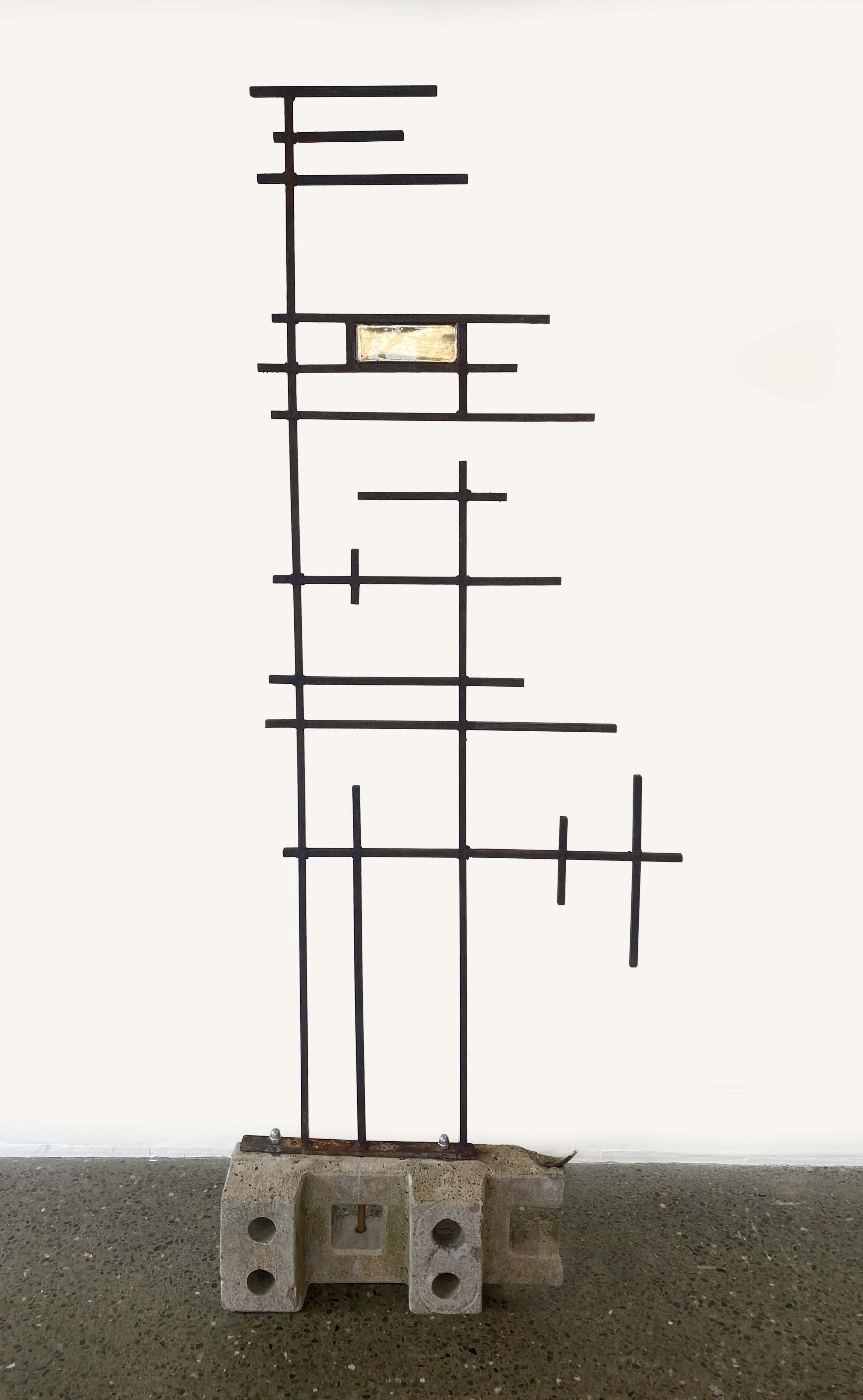
The Blocks
With the precision of prefabrication our homes were cast on the production line of the Jespersen factory in 1968.
They arrived on the backs of lorries bought down from Lancashire
flat pack homes for a crisp clean future.
Concrete and steel embedded together like hopeful newlyweds just starting out, faces looking east to the future
In time, the chloride in the cement began to niggle at the steel corroding its bright skin
leaving russet-red pock marks that spread like a rash from the corner of each room.
As the steel broke down carbon dioxide penetrated the concrete reducing its alkalinity and it too began to fail
Cracks would appear and creep together until whole sections would fall from the walls
in craggy fists
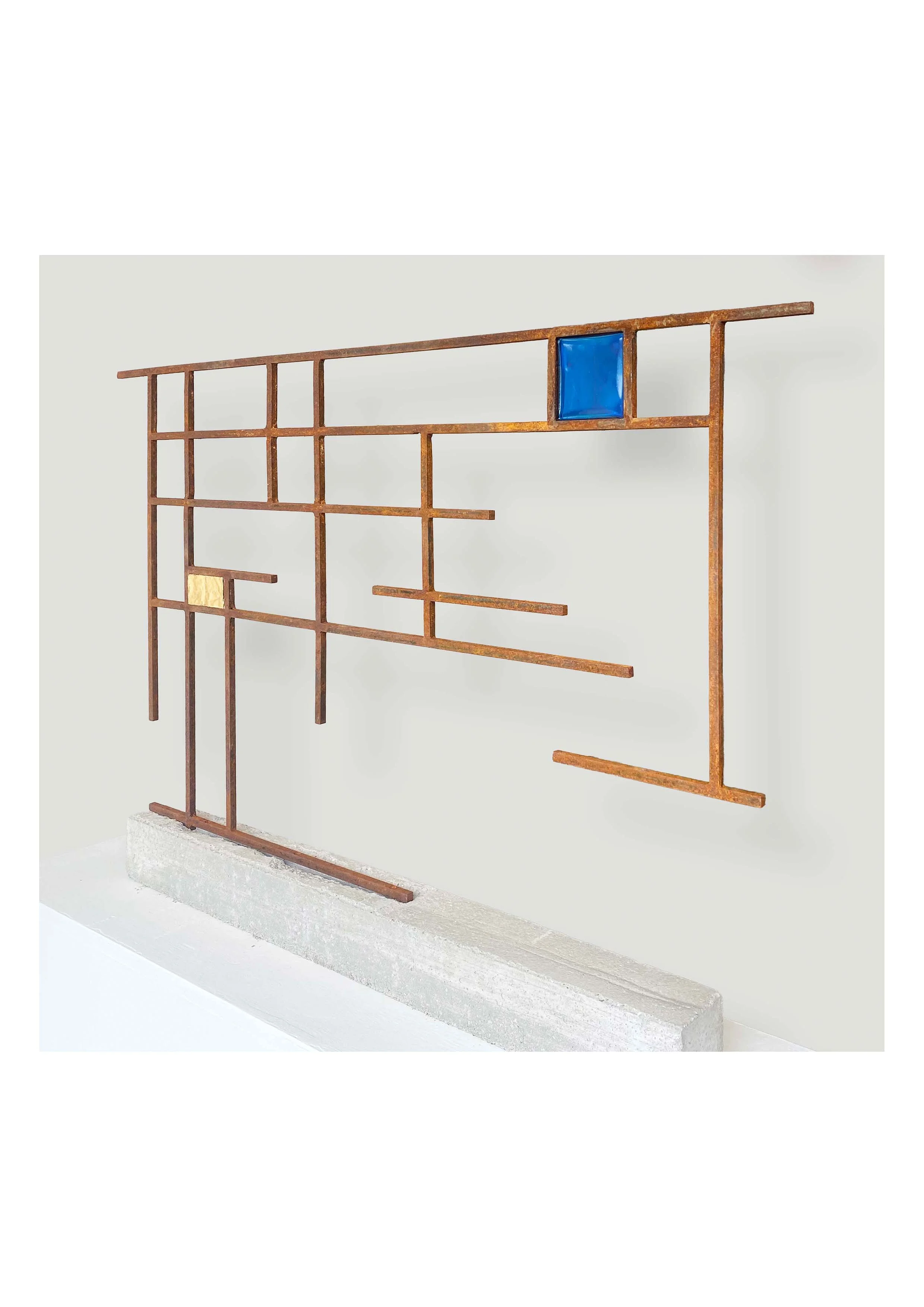
Concrete and steel
locked together
in an antagonistic marriage
of mutual decay
As the blocks returned to nature
autumnal waterfalls descended the walls
Moss grew in shadowy corners and dusty snowflakes fell from asbestos ceilings.
Crevices opened
like fault lines between families
Until one day
the walls lost faith
and leaned away from the floors
leaving cracks so wide
we peered into
our neighbour’s living room
and borrowed the T.V. guide
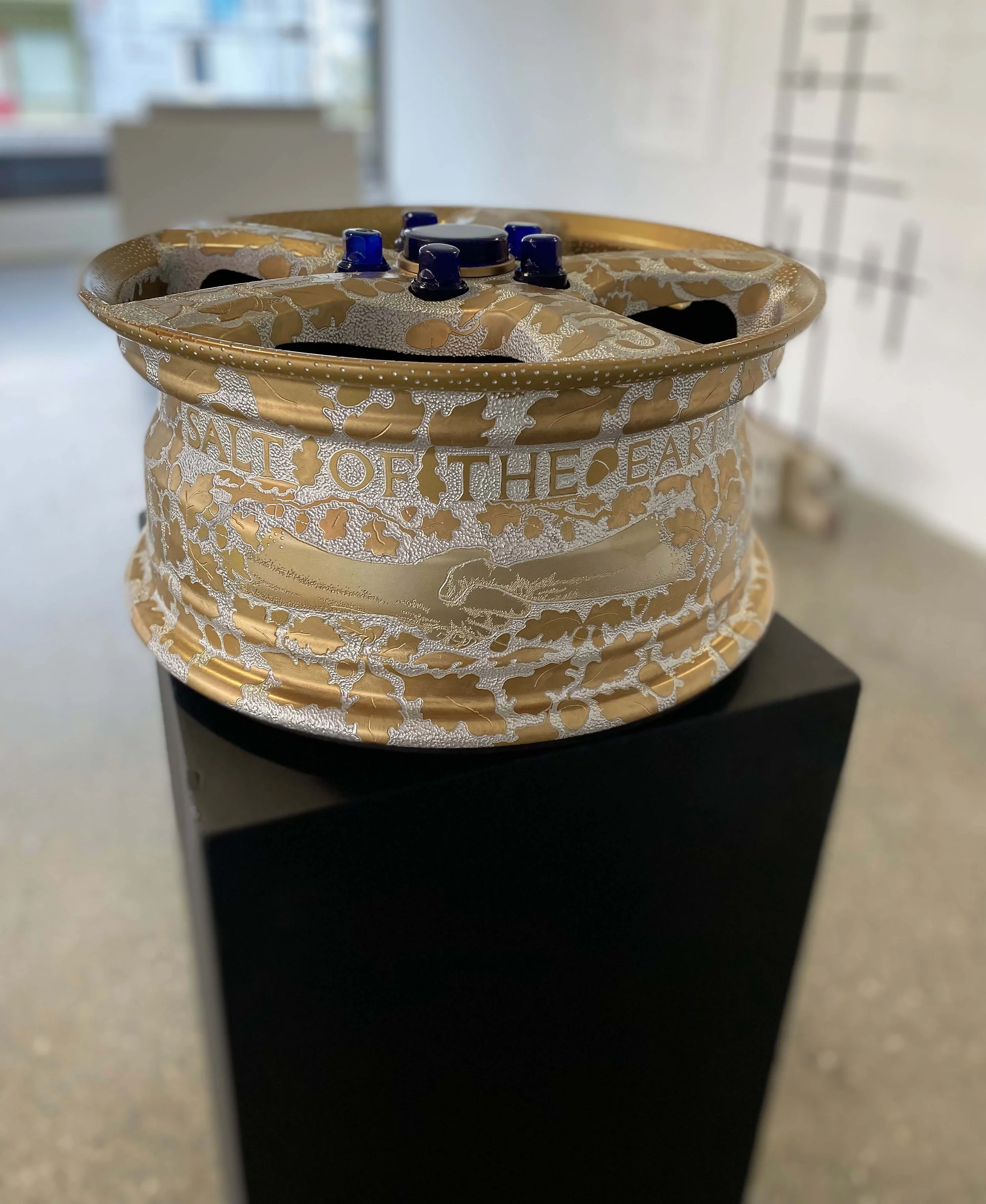
wheel of fortune
We should have folded ourselves inside the cold corners, made ourselves small, industrious, and ordered. Embraced a new way of living, working, and consuming in this blueprint of the factories we had laboured.
But
More is always more, when all you’ve had is less. So, instead, we cast nets like spells at the windows,
and pasted poor taste on the walls.
We lounged on degenerate sofas
and wore soft shag slippers.
Our complex, cluttered lives
littered every surface, as we produced voracious babies,
too many and too young; inking their names
into our criminal skin.